

Wedding Day Flow Guide
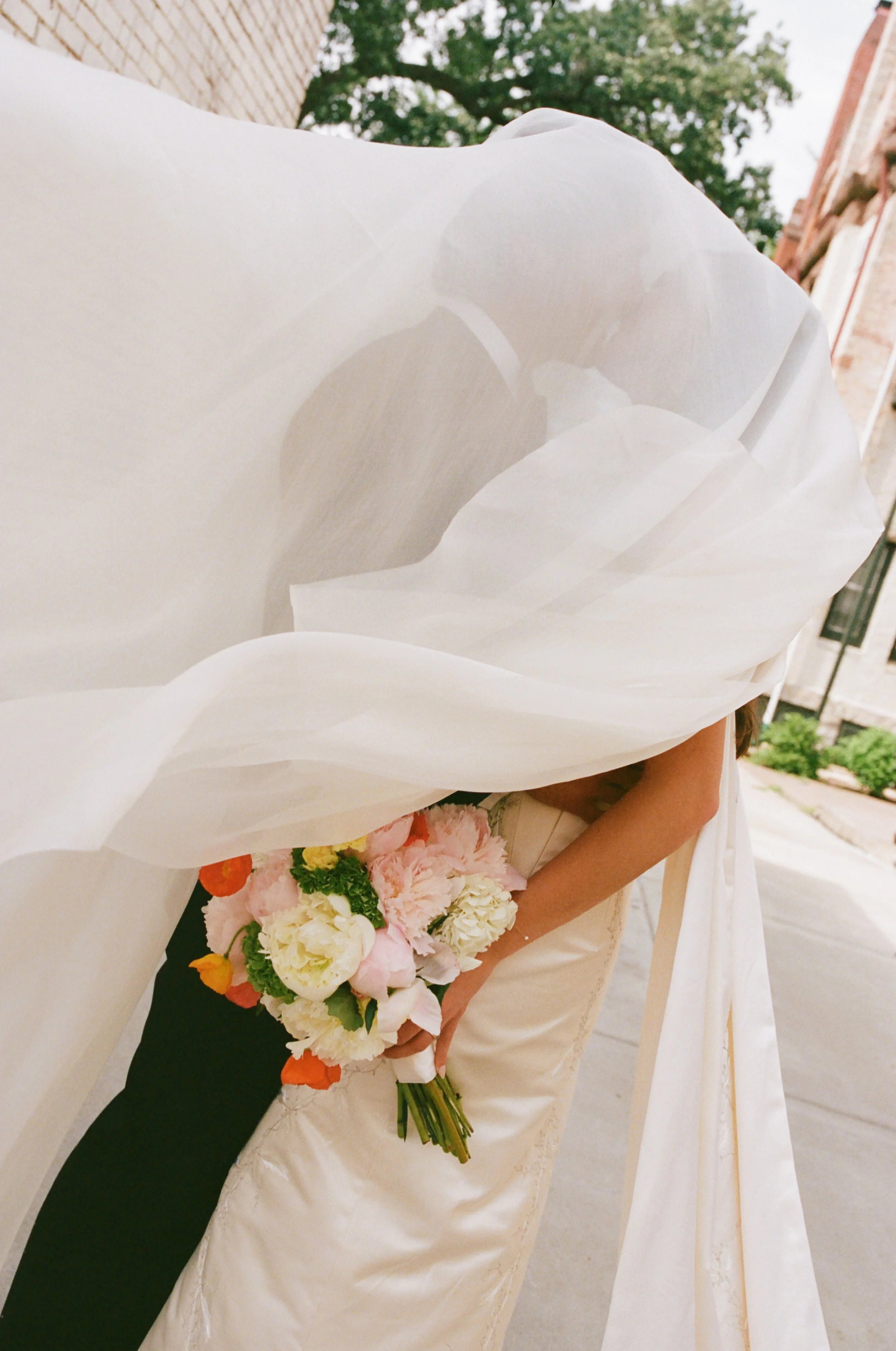
How the day unfolds, and how I approach it
This guide walks through how I photograph a wedding day, from start to finish.
It's not about managing you or handing you a schedule to memorize. It's here so you understand the thinking behind certain recommendations, and so you can head into the day knowing what to expect.
The Guiding Principle
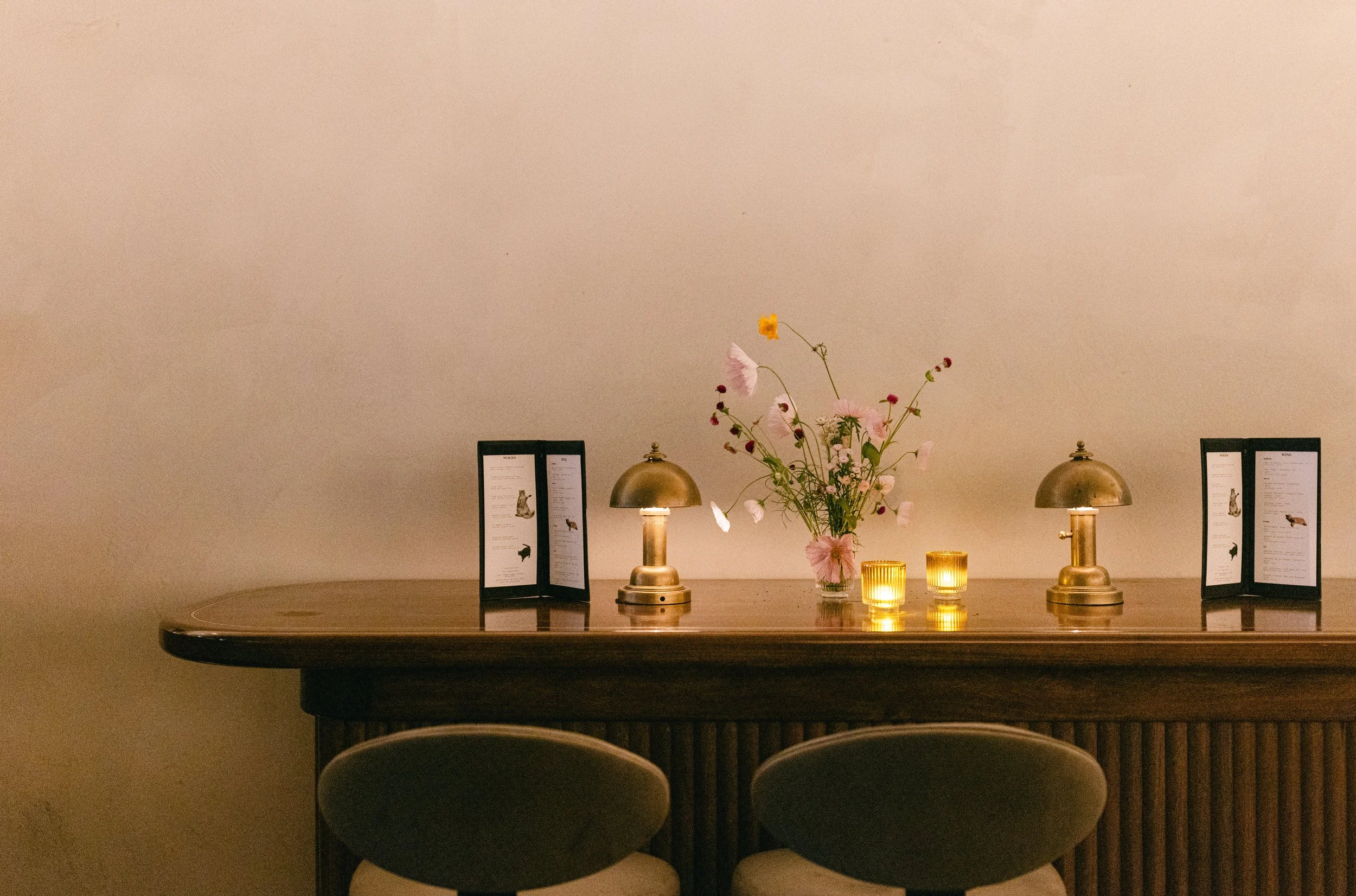
The strongest wedding photographs come from continuity, not control.
When the day has breathing room, when transitions are minimal and energy isn't constantly being interrupted, moments have time to deepen. That's what I'm trying to protect.
Getting Ready

Getting ready sets the tone for everything that follows. I'm less interested in recreating a magazine spread and more focused on the quiet before everything accelerates. The anticipation settling into someone's body. The small, ordinary interactions between the people who know you best.
What Helps This Part of the Day Photograph Well
A calm environment with minimal people moving in and out
Natural light, when possible
Hair and makeup finishing with a small buffer
I typically recommend 1–2 hours of coverage per partner here. Not to fill time, but because real moments need room to surface. This part of the day is a transition, not a performance.
First Look
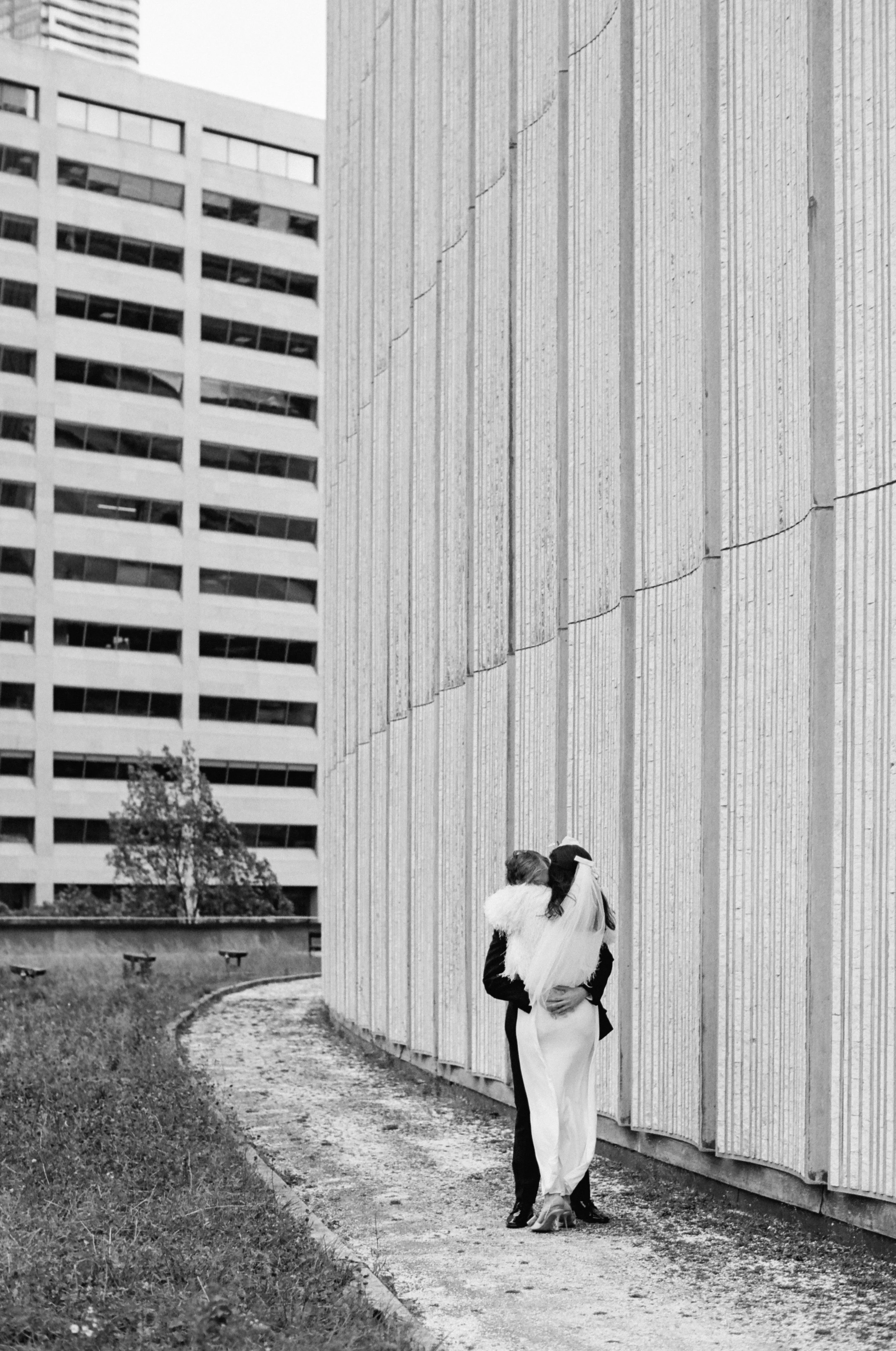
The first look is one of the only private moments you get to share on your wedding day.
Many couples choose it because it takes the edge off the nerves, creates a quiet moment before the day really accelerates, and allows portraits to happen earlier when everyone is fresh. Some couples share private vows here that their guests never hear. Some just need a few minutes to breathe together before everything begins. Whatever it becomes, that time tends to be some of the quietest and most honest of the whole day.
If you're drawn to the anticipation of seeing each other at the ceremony for the first time, that's a beautiful choice too. There's no wrong answer here, just what feels true to you.
Couple Portraits

I recommend approximately one hour of couple portrait time across your day, but it doesn't need to happen all at once.
A few minutes after the first look, a quiet moment while guests make their way to cocktail hour, some time near the end of the evening when the light goes warm. Smaller, unhurried pockets often produce images that feel more alive than one long dedicated block.
The goal isn't to extract as many images as possible. It's to let connection settle. We move, pause, walk, and then I bring you back to your people.
Wedding Party Photos

Wedding party photos work best when they are:
efficient
lightly directed
grounded in interaction rather than formation
I typically recommend around one hour, depending on the size of the group and locations involved.
This allows for:
a mix of relaxed groupings
natural movement
moments between people, not just posed arrangements
The Ceremony

During the ceremony, I work unobtrusively.
I don’t interrupt, redirect, or create moments. My focus is on:
emotional exchanges
reactions within the space
how the room feels, not just how it looks
This is the emotional anchor of the day. Everything else flows outward from here.
Family & Group Photos

These work best immediately after the ceremony, while everyone is still gathered and the energy hasn't dispersed. I'd recommend keeping the list focused on immediate family and the people closest to you.
Why Fewer Groups Work Better
Large, extended lists:
pull you away from your guests
fragment the emotional energy of the day
turn this portion into a logistical exercise
I typically suggest 30–60 minutes for family and group photos, depending on the number of groupings.
If group photos are important to you, we’ll approach them efficiently and with intention.
Cocktail Hour

Cocktail hour is often when the day exhales. Guests are relaxed, conversations are happening, and the atmosphere starts to settle into something warmer. I use this time to move through the room quietly, documenting what's unfolding naturally. If there are any remaining portraits needed, this is a good place to fold them in without pressure.
Reception & Dinner
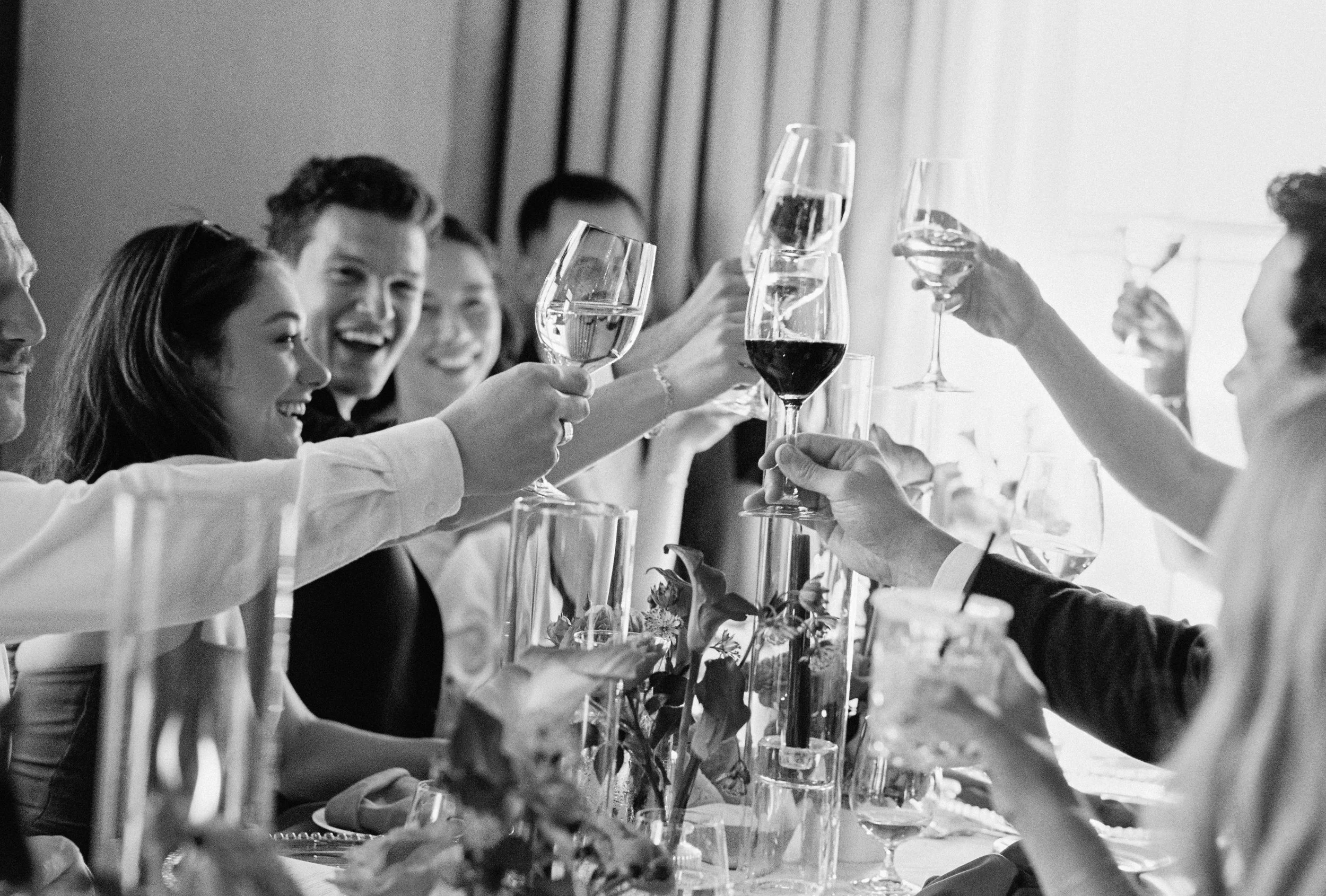
Once we're into the reception, my attention shifts to the energy in the room. The relationships at tables. The quiet moments alongside the loud ones. People have usually forgotten about the camera by now, and that's exactly when the most honest images tend to happen.
Dancing

Contrary to popular belief, extensive coverage of open dancing is rarely needed.
I typically recommend 30–60 minutes of dance floor coverage, which is enough to capture:
the energy of the room
key moments
the feeling of the celebration
After that point, the story has usually been told.
Buffer Time
This is one of the most overlooked parts of planning a wedding day. Hair and makeup run long. Transitions take more time than expected. Emotions move at their own pace.
Build buffer into your day not as a contingency, but as a gift to yourselves. The day will move faster than you think, and the moments that tend to last are the ones that weren't rushed.
What I’m Paying Attention To Throughout the Day
While events are happening, I’m also watching for:
how energy shifts between moments
where people naturally gather
how light changes throughout the space
interactions you may not see in the moment
This is where the most meaningful images often come from.
A Final Thought
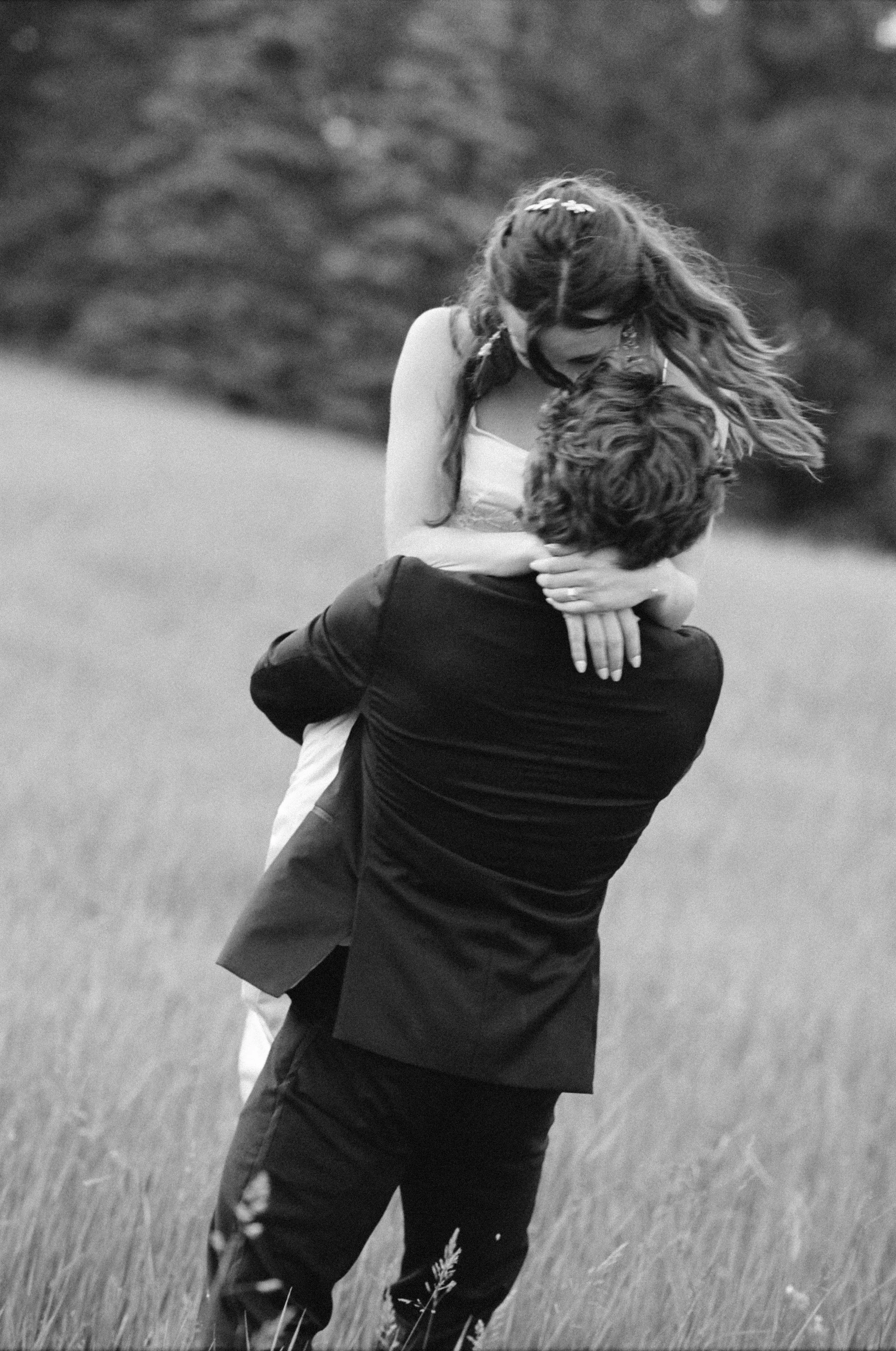
Your wedding day will move quickly.
This guide exists so you don't have to spend it thinking about timing.
When the day arrives, your only job is to be present. I’ll take care of the rest.
— Carol